How Hackers Operate and How to Protect Yourself
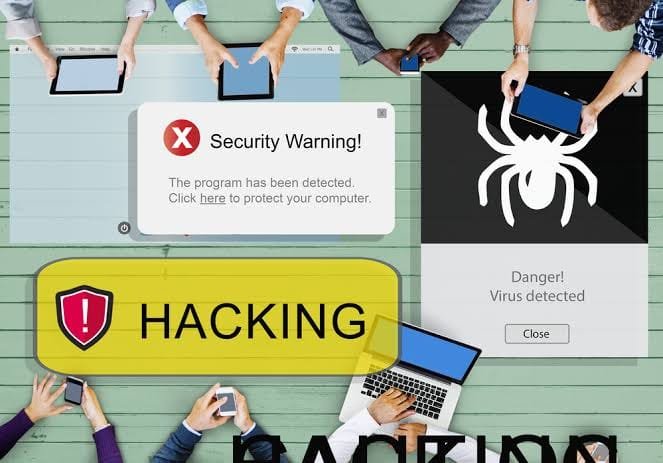
Learn and minimize the dangers of hacking. People, not computers, create computer threats. Computer predators victimize others for their own gain. Give a predator access to the Internet — and to your PC — and the threat they pose to your security increases exponentially. Computer hackers are unauthorized users who break into computer systems in order to steal, change or destroy information, often by installing dangerous malware without your knowledge or consent. Their clever tactics and detailed technical knowledge help them access the information you really don’t want them to have.
IMPORTANT NOTICE!!
VERIFIED CARDING CVV SHOPS-
Auto Shop CVV 01 CVVFULLZ
-
Recommended Overall 01 CARDINGCASHOUT
-
Money Transfers 01 SWIFTCARDERS
-
Verified cards and more DARKWEBCC

How can hackers find me?
It’s your responsibility to protect your self from the dangers of hacking. Anyone who uses a computer connected to the Internet is susceptible to the threats that computer hackers and online predators pose. These online villains typically use cyber scams, spam email or instant messages and bogus websites to deliver dangerous malware to your computer and compromise your computer security.
Computer hackers can also try to access your computer and private information directly if you are not protected by a firewall. They can monitor your conversations or peruse the back-end of your personal website. Usually disguised with a bogus identity, predators can lure you into revealing sensitive personal and financial information, or much worse.
Read also: The Masterclass Guide to Plan and Prepare for Penetration Testing
What are things that a hacker can do to me?
While your computer is connected to the Internet, the malware a hacker has installed on your PC quietly transmits your personal and financial information without your knowledge or consent. Or, a computer predator may pounce on the private information you unwittingly revealed. In either case, they will be able to:
- Hijack your usernames and passwords
- Steal your money and open credit card and bank accounts in your name
- Ruin your credit
- Request new account Personal Identification Numbers (PINs) or additional credit cards
- Make purchases
- Add themselves or an alias that they control as an authorized user so it’s easier to use your credit
- Obtain cash advances
- Use and abuse your Social Security number
- Sell your information to other parties who will use it for illicit or illegal purposes. It’s always import to protect your self from all the possible dangers of hacking of computer hacking attacks.
Predators who stalk people while online can pose a serious physical threat. Using extreme caution when agreeing to meet an online “friend” or acquaintance in person is always the best way to keep safe.
How will I know if I’ve been hacked?
Check the accuracy of your personal accounts, credit cards and documents. Are there unexplained transactions? Questionable or unauthorized changes? If so, dangerous malware installed by predators or hackers might be the cause.
What can I do about computer hackers and predators?
When you arm yourself with information and resources, you’re wiser about computer security threats and less vulnerable to threat tactics. Hackers and predators pose equally serious and but very different threats.

Protect yourself while online
- Continually check the accuracy of personal accounts and deal with any discrepancies right away
- Use extreme caution when entering chat rooms or posting personal Web pages
- Limit the personal information you post on a personal Web pages
- Carefully monitor requests by online “friends” or acquaintances for predatory behavior
- Keep personal and financial information out of online conversations
- Use extreme caution when agreeing to meet an online “friend” or acquaintance in person
Security Tips to Prevent Hacking
- Use a 2-way firewall
- Update your operating system regularly
- Increase your browser security settings
- Avoid questionable Web sites
- Only download software from sites you trust. Carefully evaluate free software and file-sharing applications before downloading them to minimize the dangers of computer hacking.
Read also: Learn carding to protect your business, stay safe from online threats and credit card fraud.
Practice safe email and virus/malware protocols
- Don’t open messages from unknown senders
- Immediately delete messages you suspect to be spam
- Make sure that you have the best security software products installed on your PC:
- Use antivirus protection
- Get antispyware software protection
Guard Yourself Against Dangerous Online Threats
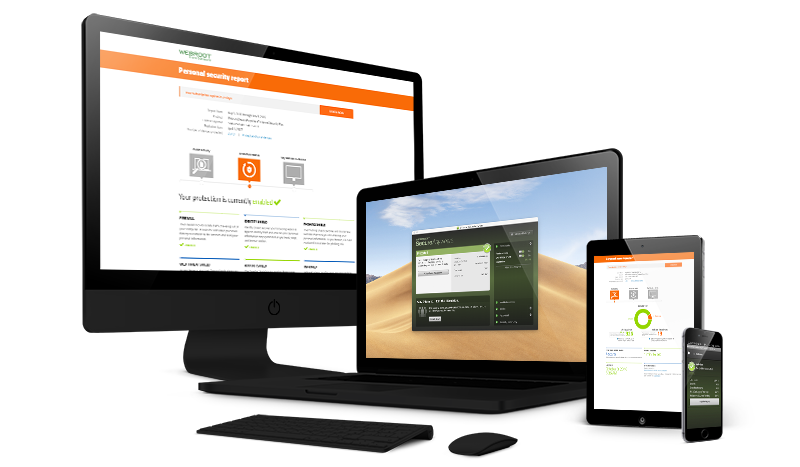
An unprotected computer is like an open door for computer hackers and predators. To take it a step further, protect your computer from hackers by using a spam filter or gateway to scan inbound email or instant messages. Products like Webroot AntiVirus and Webroot Internet Security Completethwart dangerous malware before it can enter your PC, stand guard at every possible entrance of your computer and fend off any spyware or viruses that try to enter, even the most damaging and devious strains. While free anti-spyware and antivirus downloads are available, they just can’t keep up with the continuous onslaught of new malware strains. Previously undetected forms of malware can often do the most damage, so it’s critical to have up-to-the-minute, guaranteed protection.
ExtremeHackers offers complete, cloud-based hacked bank transfers for the lowest costs ever. These services are trusted and reserved worldwide. Click the link to get access to instant trusted bank account transfers




Leave a comment